

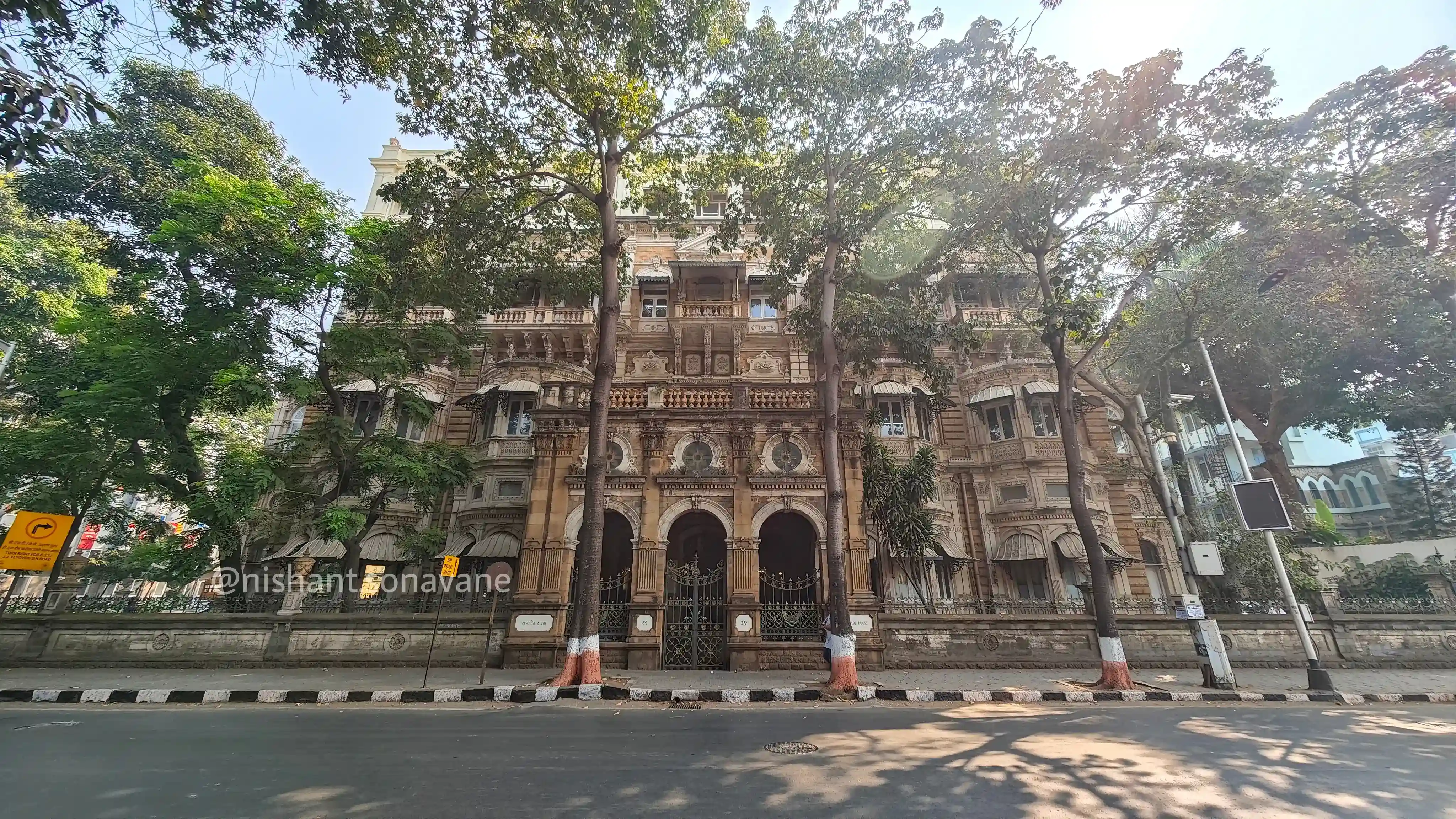
Exploring the Timeless Legacy of Esplanade House: Jamsetji Tata’s Historic Mumbai Residence
Mumbai is home to numerous architectural marvels, but few are as steeped in history and charm as Esplanade House, the iconic residence of Jamsetji Nusserwanji Tata, founder of the Tata Group. Nestled on Waudby Road, this masterpiece of Renaissance Revival architecture reflects the grandeur and innovation of 19th-century Mumbai. Here’s an exploration of its rich history, unique features, restoration journey, and whether it’s accessible to the public.
A Glimpse into the History of Esplanade House
- 1885: Construction of Esplanade House began, designed by architect James Morris of Gostling and Morris. The house featured a unique central courtyard inspired by Spanish patios.
- 1887: The Tata family moved in, with the house showcasing European furnishings, a marble staircase, and a glass-roofed courtyard.
- 1904: After Jamsetji Tata’s passing, his son Dorabji Tata and his wife Meherbai resided there.
- 1930s: Ownership transitioned to philanthropist R.D. Sethna, and it became a part of the R.D. Sethna Scholarship Fund.
- 2004-2014: A decade-long restoration led by conservation architect Vikas Dilawari preserved the mansion’s original splendor. The project earned an honorary mention at the UNESCO Asia-Pacific Awards for Cultural Heritage Conservation.
What Makes Esplanade House Unique?
Architectural Excellence –
Esplanade House stands as a remarkable example of architectural ingenuity, seamlessly blending European Renaissance Revival elements with traditional Indian design aesthetics. Its intricate teakwood screens not only serve as ventilators but also add to its visual charm, while decorative chajjas provide both shading and an artistic touch.
Pioneering Modern Innovations –
During its time, Esplanade House was a beacon of modernization. It was one of the first residences in Mumbai to be equipped with electricity, concealed wiring, and an elevator, showcasing Jamsetji Tata’s visionary approach to integrating cutting-edge technology into everyday living.
Luxurious Interiors –
The interiors of Esplanade House exude luxury and sophistication. The mansion features gold gilding, stunning ceiling oil paintings, and intricate ivory inlay work. Its well-stocked library further highlights Jamsetji Tata’s passion for knowledge and art, making it a cultural and intellectual hub of its era.
Exquisite Gardens and Exterior Features –
The mansion’s surrounding gardens are a testament to its grandeur, adorned with fountains and statues that add to its serene beauty. Unique exterior features, like a marble horse trough and a Saint Bernard statue atop the watchman’s cabin, make Esplanade House stand out as a truly distinctive and thoughtfully designed residence.

Humata Hukhta Hvarshta: The Zoroastrian Path to Virtue
Rooted in the ancient Avestan language, the phrase Humata Hukhta Hvarshta represents the core ethical principles of Zoroastrianism:
- Humata (Good Thoughts): Cultivating positive and virtuous intentions.
- Hukhta (Good Words): Speaking truthfully and kindly to foster harmony.
- Hvarshta (Good Deeds): Taking actions that benefit others and promote the greater good.
Originating from the sacred texts of the Avesta, these principles embody divine wisdom taught by Ahura Mazda, guiding individuals toward personal growth, societal harmony, and the fight against evil. This timeless triad inspires universal values of kindness, truth, and righteousness, resonating far beyond the Zoroastrian community.
Is Esplanade House Open to the Public?
While Esplanade House is a historical and architectural gem, it is not open to the public for tours or visits. Currently owned by the R.D. Sethna Scholarship Fund, it is a private property, and access is restricted. However, its external grandeur can be admired from the outside, offering a glimpse into Mumbai’s colonial past and architectural brilliance.
Preserving Mumbai’s Architectural Heritage
The meticulous restoration of Esplanade House not only preserved its architectural brilliance but also cemented its place as a cultural and historical landmark. Today, it stands as a testament to Jamsetji Tata’s visionary legacy and the grandeur of 19th-century Mumbai.
Why Esplanade House Deserves Recognition?
For history enthusiasts, architecture lovers, or those simply seeking to connect with Mumbai’s cultural roots, Esplanade House offers a fascinating story of vision and innovation. Even though it isn’t accessible to the public, its historical significance and architectural beauty make it a noteworthy landmark in Mumbai’s heritage.
Esplanade House is not merely a structure; it is a masterpiece that embodies the vision, values, and enduring legacy of Jamsetji Tata. As an iconic landmark in Mumbai’s architectural heritage, it stands as a testament to timeless innovation and design. Celebrating such landmarks allows us to honor the stories that inspire generations, making Esplanade House not just a building but a cherished chapter in Mumbai’s rich history.